




Sales Channel Solutions

Motivate Channel Partners

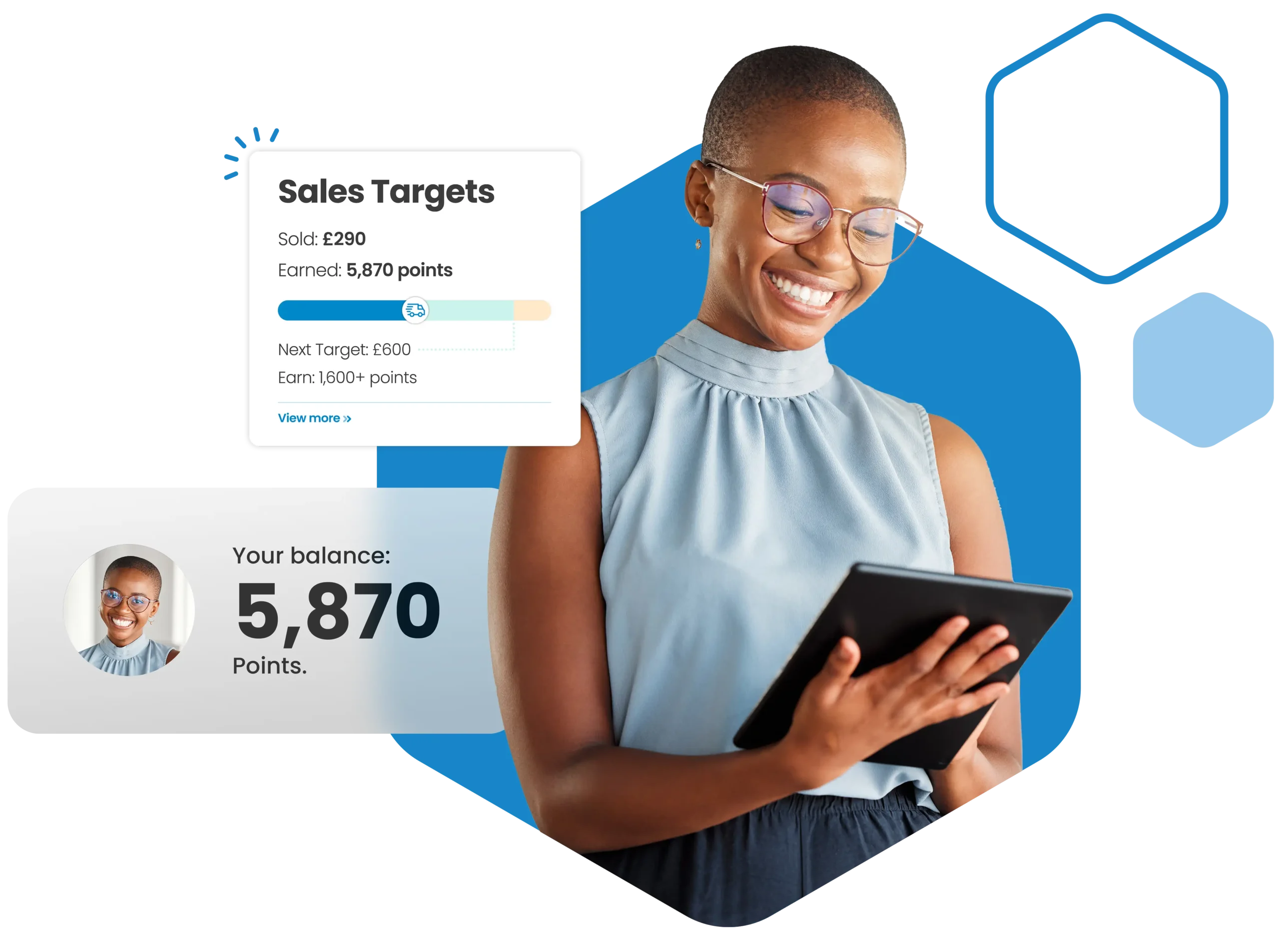
Boost your sales and build lasting loyalty with your channel partners by seamlessly transforming their performance into motivating rewards that drive both success and commitment.

Learn more
Customer Loyalty
Customer Loyalty Solutions

Strengthen Customer Loyalty

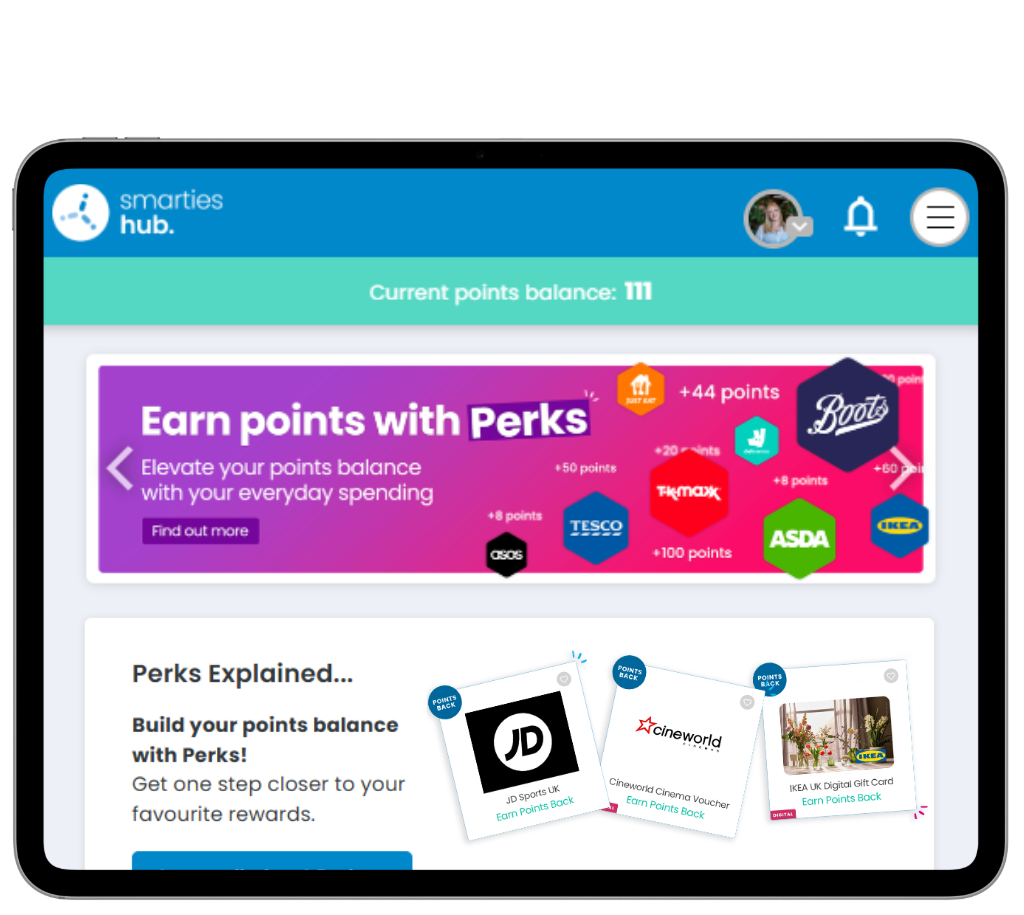
Strengthen B2B customer loyalty by rewarding your customers with points every time they purchase your products, encouraging repeat business and long-term relationships.

Learn more
Employee Engagement
Employee Rewards Solutions

Engage Employees

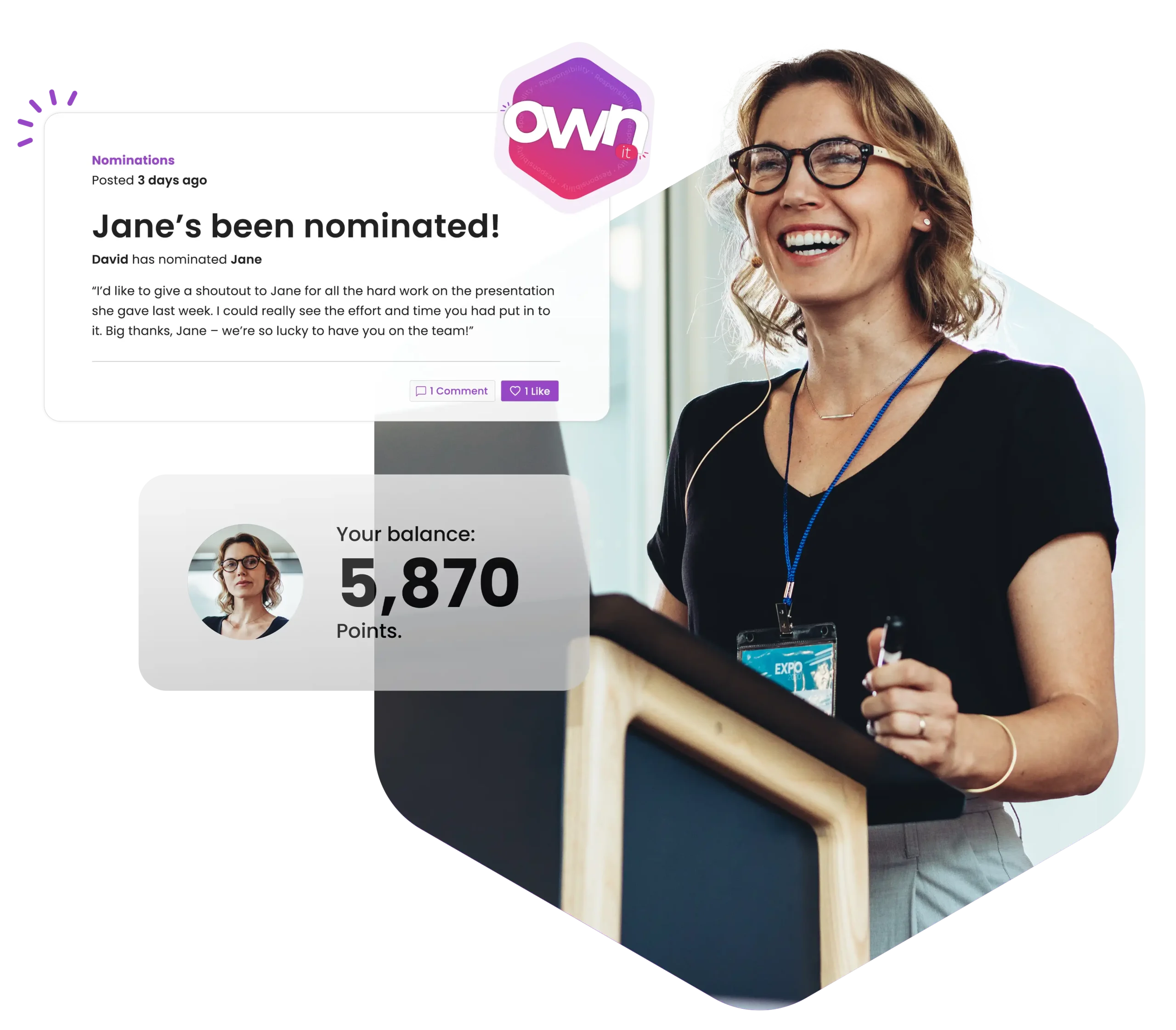
Transform your workplace by fostering a culture of recognition that celebrates every achievement, driving motivation and creating a collaborative environment where your team thrives.

Learn more
Why Us?

Employee engagement programme pricing explained

How to compare pricing and choose the right fit.

The three common pricing models & what they mean for your budget

Most employee engagement platforms charge per employee, per month or via bundled perks.

bg

Per-Employee Subscription (PEPM)

The most common HR tech pricing model. Organisations pay a fixed monthly fee per employee, regardless of actual participation. This makes budgeting predictable but may mean paying for unused licences.

bg

Bundled perks & wellbeing platforms

Employee engagement is sometimes bundled into perks or benefits platforms. These offer broad employee value, but recognition is typically one feature among many rather than the core focus.

bg

Reward-budget or usage-based models

In this model, the primary investment is the reward or incentive budget, rather than the technology itself. Organisations allocate a recognition budget per employee or per programme, and spend occurs when rewards are issued or redeemed.

Comparison snapshots

A snapshot of how different providers position their platforms, helping you quickly understand how the market compares.

Perkbox Love2shop Bonusly
Best for Perks/discounts + wellbeing bundle Voucher-led recognition and simple reward options Peer-to-peer recognition culture + easy roll-out
Watch for Pricing is often quote-based; recognition/rewards depth varies Voucher-first setups can create upfront loading / less flexibility Per-user pricing can scale linearly even if usage dips
Where Incentivesmart
often wins
Budget alignment with redemption + programme adoption support More reward choice + more behaviour-change mechanics Wider catalogue + comms support + redemption-aligned rewards

What HR teams should consider when building a budget for employee engagement

Employee engagement programmes don’t have to be expensive to be effective. Most organisations follow a few common budgeting benchmarks that help them plan programmes that are both impactful and manageable.

What is the typical reward budget per employee?

Most organisations invest £50–£150 per employee per year. Higher budgets allow for more frequent and meaningful recognition.

What drives programme costs up?

Costs usually increase depending on:

  • Workforce size
  • Reward value
  • Recognition frequency
  • Global reward catalogues
  • HR system integrations
  • Programme complexity

More recognition moments typically require more reward funding.

What keeps costs under control?

Strong programmes don’t require large budgets. Costs stay manageable when organisations focus on:

  • Simple programme design
  • Scalable reward budgets
  • Digital rewards
  • Standard platform configurations

The goal is impact, not extravagance.

Should rewards be included in the platform price?

Usually not. Separating technology costs from reward budgets gives HR teams clearer control and visibility over spend.

Are rewards marked up?

Some providers apply margins to rewards.

Transparent providers keep rewards separate so organisations can clearly see where their investment goes.

How should HR teams budget for recognition?

Many organisations benchmark recognition against payroll:

  • 0.25% of payroll → basic recognition
  • 0.5% of payroll → structured engagement
  • 1% of payroll → high-performance recognition cultures

Annual budget ranges for employee engagement programmes

100
employees

Typical platform investment:
£3,000 - £8,000


Typical reward budget:
£5,000 - £15,000

500
employees

Typical platform investment:
£8,000 – £20,000


Typical reward budget:
£25,000 – £75,000

1,000
employees

Typical platform investment:
£15,000 – £40,000


Typical reward budget:
£50,000 – £150,000

5,000+
employees

Typical platform investment:
Custom pricing


Typical reward budget:
£250,000+

Hidden costs checklist:
What HR should ask on every demo

Because the real cost of an engagement programme isn’t always on the first slide.


  • Is pricing per employee even if they never log in?

  • Any setup / onboarding / implementation fees?

  • Costs for SSO, integrations, additional admins, branding?

  • Reward catalogue: any mark-ups, minimum loads, breakage rules?

  • What’s included to drive adoption: launch comms, templates, campaign support?

  • Reporting: what’s standard vs “advanced analytics”?

What you get with Incentivesmart

Typically included: 

  • Points-based rewards model: you define behaviours, people earn points, redeem from a large catalogue.
  • Pay when rewards are redeemed: costs align with real usage (not issued points that never get used).
  • Onboarding that drives adoption: structured onboarding + training, plus support that helps launch properly.
  • Transparent add-ons: integrations, extra creative, custom work priced clearly (no mystery line items).

Optional (depends on plan / scope)

  • SSO, segmentation, eNPS, ideas box, referrals, leaderboards, additional modules, deeper reporting, etc.

Book a demo

When Incentivesmart is the best choice for you:

  • You want recognition + rewards (not perks-only)
  • You want adoption support (so the programme doesn’t flop after launch)
  • You want less wasted spend (budget tied to redemption)
  • You need scalability without runaway per-user costs

Get a tailored estimate

Our plans & pricing

Simple plans that scale with your culture goals, whether you want to self-serve or have a fully managed programme.

See pricing details

Step 1: Pick your starting point

Essentials (SME / simple rollout)

  • Starting from £4 pp/per month
  • For teams that want branded recognition + rewards, fast
  • Includes: rewards catalogue, recognition feed, milestones, analytics, automated comms, onboarding/training
  • Minimum licences: 50

Premium (culture-first / scaling)

  • Starting from £6.50 pp/per month
  • For HR teams that want segmentation, feedback, stronger engagement tools
  • Includes Essentials + content groups, teams, directory, values, eNPS, ideas box, referrals, leaderboards, SSO, multiple admin roles, onboarding/training
  • Minimum licences: 100

Enterprise (highly customised partnership)

  • Custom pricing pp/per month
  • For multi-site / complex orgs needing modules, reporting, white-label, dedicated management
  • Includes Premium + enterprise modules, dedicated account management, marketing support, quarterly reporting, annual traction audit, white-label options etc.
  • Minimum licences: 500


Step 2: Understand what drives cost

  • Number of licences
  • Level of account management
  • Any integrations or custom work
  • Reward budget approach (and whether you align spend to redemption)

Frequently asked questions

How much should we budget for an employee recognition programme?

Most organisations allocate £50–£150 per employee per year for structured recognition programmes.

A common benchmark is 0.25%–1% of payroll, depending on how central recognition is to company culture.

Smaller budgets typically support occasional recognition, while larger budgets allow for frequent and meaningful recognition moments.

Is reward funding included in platform pricing?

Usually not.

Most platforms separate technology costs from reward budgets, allowing organisations to control their recognition investment.

This also ensures greater transparency for HR and Finance teams.

Are rewards typically marked up by providers?

Some providers generate revenue by adding margins to rewards.

More transparent models separate platform costs from reward funding, ensuring organisations know exactly where their investment goes.

Transparency is particularly important when finance teams review programme spend.

How often should employees receive recognition?

Effective programmes typically encourage regular recognition moments rather than occasional large awards.

Many successful organisations aim for:

  • Monthly peer recognition

  • Quarterly manager recognition

  • Annual milestone awards

Frequency helps embed recognition into culture.

Can recognition programmes scale as the organisation grows?

Yes.

Modern platforms are designed to support hundreds to tens of thousands of employees.

Budgets and programme complexity can scale gradually as organisations grow.

Watch Demo Video