
Sales Channel Solutions

Motivate Channel Partners

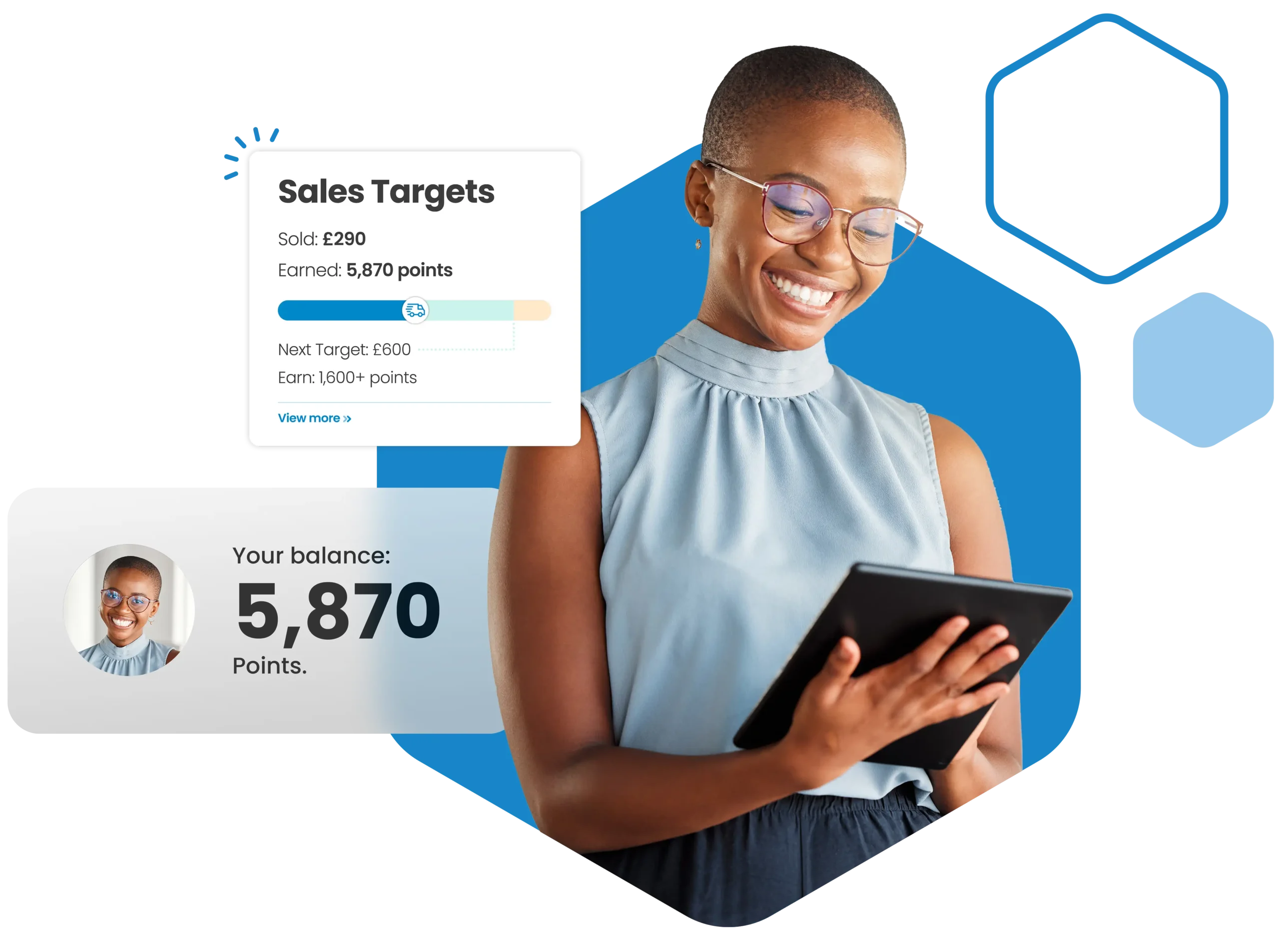
Boost your sales and build lasting loyalty with your channel partners by seamlessly transforming their performance into motivating rewards that drive both success and commitment.

Learn more
Customer Loyalty
Customer Loyalty Solutions

Supercharge Customer and Channel Loyalty

We design and manage B2B loyalty programmes that reward the right behaviours, strengthen communication and build the habits that drive repeat sales and deeper customer relationships.

Learn more
Employee Engagement
Employee Rewards Solutions

Engage Employees

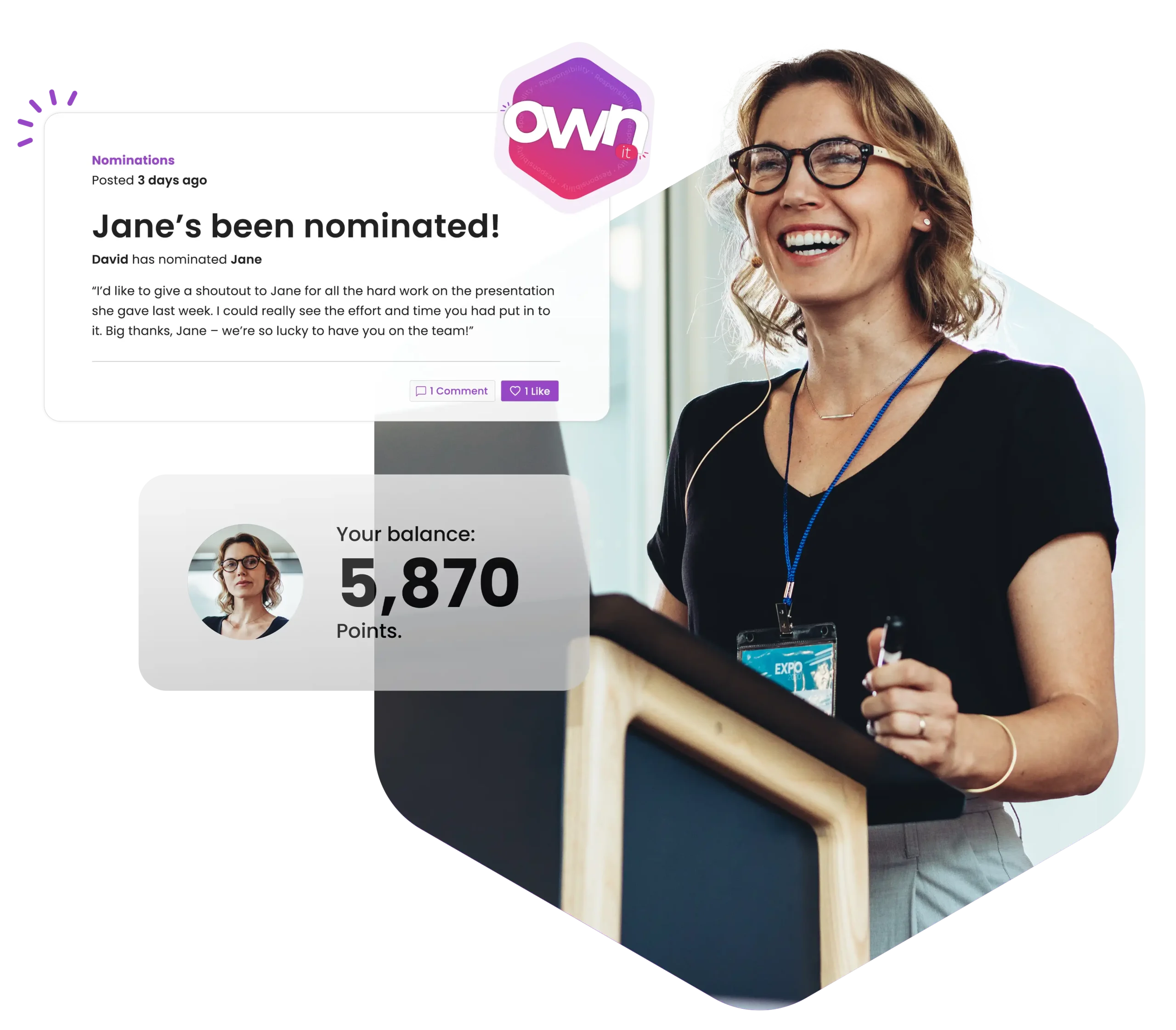
Transform your workplace by fostering a culture of recognition that celebrates every achievement, driving motivation and creating a collaborative environment where your team thrives.

Learn more
Why Us?

Happy Chemicals

The neurochemistry of real loyalty

What if loyalty wasn’t about flashy points or endless discounts, but something far more human, our own biology.

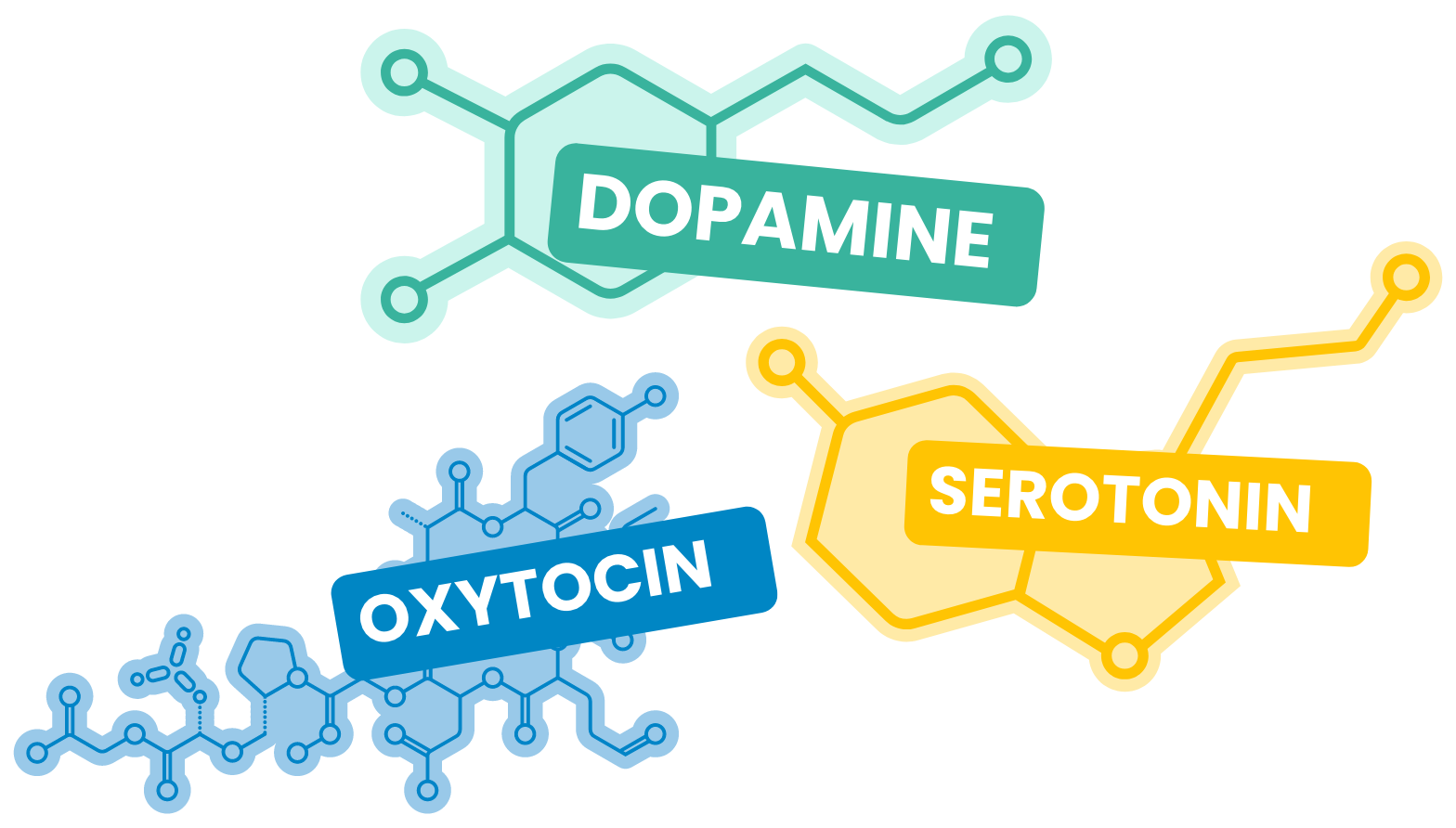
At Incentivesmart, we believe that the most powerful loyalty programmes don’t just incentivise people, they energise them. It all comes down to how the brain works. Our brains release “happy chemicals” — dopamine, serotonin, and oxytocin that fuel connection, recognition, and belonging.

When we design programmes aligned with those natural motivators, we’re not just nudging behaviour, we’re sparking genuine connection. Because loyalty shouldn’t feel like a transaction, it should feel like a natural reaction.

Why biology matters

We often hear loyalty framed as a marketing or HR lever, “how do we get people to buy again?” or “how do we stop employee turnover?” But underneath it all is something far more subtle: how people feel. And feelings are rooted in biology.

The Three Chemicals

Dopamine
The anticipation engine

Dopamine often gets hyped as a “pleasure molecule,” but modern neuroscience shows it’s even more interesting. It’s less about the pleasure itself and more about anticipation, craving, and drive.

When we expect a reward (even before we get it), dopamine spikes, motivating us to act.

Some recent research even suggests that dopamine neurons encode maps of future rewards, not just what’s coming now, but when and how much.

In short: the thrill of the chase matters almost as much as the prize.
Serotonin
The status and well-being keeper

Serotonin helps regulate mood, social status, and pride. It’s tied to feelings of being respected, seen, and secure.

When people feel appreciated, their internal narrative changes—they don’t just use your programme. They believe in it.

Oxytocin
The trust molecule

Oxytocin is central to social bonding, trust, and empathy. It helps people feel safe, seen, and connected.

When your reward and recognition programmes activate oxytocin pathways, you shift the relationship from “brand” to “partner.”

The “dopamine hit” hype

Real science, real caution

You’ll often hear marketers talk about “dopamine hits”, the idea that small rewards keep people coming back, like scrolling on social media or playing casual games. And there is truth in that, but it’s a double-edged sword.

The brain craves novelty and anticipation: unpredictable rewards tend to provoke stronger dopamine responses. That’s why gamified systems and surprise bonuses often feel so compelling.

But overstimulation can backfire: if reward becomes habitual or expected, the dopamine response dulls. People stop paying attention.

The smartest programmes balance stability and surprise, delivering both predictable recognition and delightful extras.


When you lean on neuroscience, not gimmicks, you’re not chasing random hits. You’re building a balanced chemical ecosystem around loyalty and engagement.

That’s why a science-backed approach isn’t just smart, it’s a guarantee. When you truly understand how dopamine, serotonin, oxytocin, and endorphins work together, you can design programmes that don’t just engage people once, they keep them coming back. It’s not guesswork. It’s human nature.

From theory to transformation

What we bring to the table

Of course, knowing the science is only half the battle. Execution is what separates theories from transformation. That’s where our full-stack offering comes in:

bg

Smart design & creative support

We don’t just hand over tech. We help you build programmes people want to use (and talk about).

bg

Traction Framework

Our six-dimension model (vision, data, stakeholders, communication, rewards, consistency) turns ambitious ideas into disciplined results.

bg

Catalogue & reward flexibility

Across employees, customers, and partners, people can choose from thousands of reward options that feel personally meaningful rather than forced one-size-fits-all.

The outcome?

You go from purely transactional loyalty to something deeper, a Rewarding Relationship grounded in how people actually feel.

Why it matters for your bottom line

Of course, knowing the science is only half the battle. Execution is what separates theories from transformation. That’s where our full-stack offering comes in:

1.
Sustainable engagement

Because you’re tapping emotional systems, not just financial ones, your programme is less likely to plateau or fatigue.

2.
Higher ROI, lower waste

With our model, you only pay for redeemed rewards—not just issued ones. That cuts wasted spend and ensures your investments produce real engagement.

3.
Alignment with mission & meaning

You’re not “buying loyalty.” You’re investing in connection. That helps you to reach our shared mission: building 10 million #RewardingRelationships.

The chemistry of connection

Imagine a loyalty programme people feel, not just one they use.

Picture recognition that resonates on an emotional level, not just a points tally. That’s the power of aligning with the brain’s natural motivators.

If you’re ready to build loyalty that’s biologically attuned, human-first, and growth-driving, we should talk. Together, we’ll engineer Rewarding Relationships that don’t just engage, they last.

Book a demo